Best AI Tools for Dentists: A Deep Dive into Modern Dental Technology
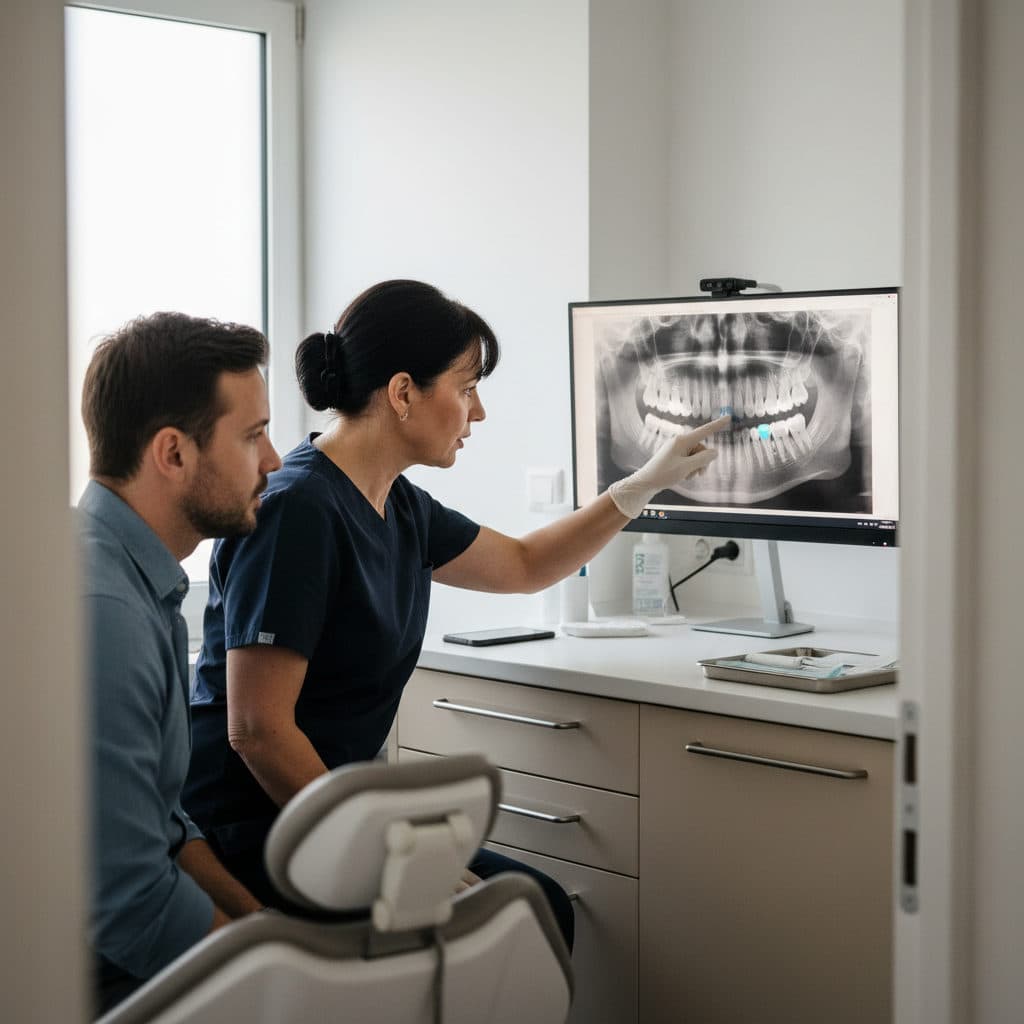
The integration of artificial intelligence into dental practices has demonstrably shifted diagnostic accuracy, with studies indicating a potential for earlier disease detection by up to 30% in specific cases by August 2026. This technological evolution is moving beyond experimental phases, embedding itself into daily clinical workflows and administrative operations. Dental professionals are now leveraging AI to refine treatment planning, streamline patient communication, and enhance overall practice efficiency, moving towards a more data-informed and precise approach to oral healthcare. Understanding these advancements is crucial for any practice aiming to maintain a competitive edge and deliver a higher standard of patient care.
Key Takeaways
- AI significantly improves diagnostic accuracy, particularly in detecting caries, periodontal disease, and periapical lesions from imaging.
- Automated administrative AI tools streamline scheduling, billing, and patient communication, reducing operational overhead.
- AI-driven treatment planning offers personalized approaches, enhancing predictability and patient outcomes in complex procedures like orthodontics and implantology.
- Implementation requires careful consideration of data security, regulatory compliance, and staff training to ensure effective integration.
- AI enhances patient engagement through personalized educational content and efficient communication channels, improving overall patient satisfaction.
- Predictive analytics powered by AI assists practices in optimizing resource allocation, managing inventory, and forecasting patient demand.
- The ethical implications of AI use, including bias in algorithms and data privacy, demand ongoing attention and responsible deployment strategies.
Enhancing Diagnostic Precision with AI Imaging Analysis
Artificial intelligence is redefining the precision of dental diagnostics, particularly through its application in analyzing radiographic images. Algorithms trained on extensive datasets of X-rays, intraoral scans, and CBCT scans can identify subtle anomalies often missed by the human eye. This capability extends to early detection of caries, periodontal bone loss, periapical lesions, and even subtle pathological changes, allowing for timely intervention before conditions escalate. The consistency and speed of AI analysis supplement the clinician's expertise, providing a second, objective opinion that can be particularly valuable in complex cases or for screening large volumes of images.
These AI-powered diagnostic tools function by processing imaging data and highlighting areas of concern, presenting them to the dentist for review. For instance, some systems can quantify bone density changes over time, track the progression of periodontal disease, or identify potential areas of demineralization that precede overt cavitation. This level of detail supports more proactive and preventive care strategies, shifting the focus from reactive treatment to early management. The integration of such tools into existing digital radiography setups is typically seamless, requiring minimal disruption to current workflows while offering substantial diagnostic advantages.
Beyond basic detection, advanced AI systems are capable of classifying and staging diseases based on image characteristics, providing a more standardized approach to diagnosis. This standardization can reduce inter-observer variability among dentists, leading to more consistent diagnoses across different practices and clinicians. The ability to automatically segment and measure anatomical structures also aids in surgical planning, ensuring greater accuracy in procedures like implant placement. This analytical depth contributes to a higher quality of care and improved long-term outcomes for patients.
The efficacy of AI in diagnostic imaging has been a subject of extensive research, with many studies demonstrating its capacity to match or even exceed human performance in specific tasks. While AI serves as a powerful assistive tool, the ultimate diagnostic decision remains with the dental professional, who combines AI insights with clinical examination and patient history. This collaborative approach between human expertise and artificial intelligence represents a significant step forward in elevating the standard of dental diagnostics, making it more accurate, efficient, and reliable for both practitioner and patient.
Streamlining Treatment Planning and Personalization
AI tools are increasingly influential in the realm of dental treatment planning, offering dentists capabilities to create highly personalized and predictable treatment pathways. For orthodontic cases, AI can analyze complex craniofacial structures from 3D scans, simulate tooth movements, and predict treatment duration with a higher degree of accuracy than traditional methods. This allows for customized appliance design and more efficient treatment sequencing, ultimately leading to better aesthetic and functional outcomes for patients. The ability to visualize potential results before beginning treatment also enhances patient understanding and acceptance.
In restorative dentistry, AI assists in designing crowns, bridges, and veneers by analyzing occlusal forces, tooth morphology, and aesthetic parameters. Algorithms can suggest optimal restoration designs that integrate seamlessly with the patient's existing dentition, improving fit, longevity, and appearance. This automation reduces the time required for design, allowing dental laboratories and practices to increase their throughput while maintaining a high standard of quality. The precision offered by AI minimizes the need for manual adjustments, leading to fewer chairside appointments and a more comfortable experience for the patient.
For implant dentistry, AI plays a crucial role in pre-surgical planning by analyzing CBCT scans to identify optimal implant sites, assess bone density, and avoid vital anatomical structures. These systems can generate detailed surgical guides, ensuring precise implant placement and reducing the risk of complications. The predictive capabilities of AI also extend to forecasting the success rates of various treatment options, providing dentists with data-driven insights to guide their clinical decisions and communicate more effectively with patients about expected outcomes and potential risks.
The personalization offered by AI in treatment planning extends beyond the technical aspects. It allows for a deeper understanding of individual patient needs, preferences, and biological responses. By integrating diverse data points – from genetic predispositions to lifestyle factors – AI can help tailor treatment protocols that are not only clinically sound but also align with the patient's overall health goals. This comprehensive approach to care fosters greater patient satisfaction and builds stronger trust between the patient and the dental team, marking a significant evolution in how dental care is conceived and delivered.
Automating Administrative Tasks and Patient Engagement
Dental practices are leveraging AI to automate a wide array of administrative tasks, significantly reducing the burden on staff and improving operational efficiency. AI-powered scheduling systems can manage appointments, send automated reminders, and even intelligently rebook cancellations, optimizing the dentist's calendar and minimizing no-shows. These systems often integrate with patient portals, allowing patients to manage their appointments independently, reducing the need for direct phone calls and freeing up front-desk personnel for more complex patient interactions. The accuracy of automated scheduling reduces human error and improves overall practice flow.
Beyond scheduling, AI tools are transforming billing and insurance claim processing. Algorithms can review patient records and treatment codes to ensure accurate claim submission, flag potential errors, and track payment statuses. This automation accelerates reimbursement cycles, reduces denied claims, and improves the financial health of the practice. The ability to quickly process and audit financial transactions ensures compliance with regulatory requirements and provides transparent financial reporting, which is essential for effective practice management.
Patient engagement is also being revolutionized by AI through intelligent communication platforms. AI chatbots and virtual assistants can answer common patient questions, provide pre-appointment instructions, and offer post-procedure care advice around the clock. These tools ensure that patients receive consistent, accurate information instantly, improving their experience and reducing the workload on practice staff. The personalized nature of these interactions can also enhance patient loyalty and satisfaction, making them feel more valued and informed.
Furthermore, AI can analyze patient feedback and sentiment from surveys and online reviews, providing valuable insights into areas where the practice excels or needs improvement. This data-driven approach to patient relations allows practices to proactively address concerns and tailor their services to better meet patient expectations. By automating routine administrative and communication tasks, AI empowers dental professionals to dedicate more time to direct patient care and focus on complex clinical decisions, ultimately elevating the overall quality and efficiency of the dental practice.
AI-Powered Predictive Analytics for Practice Management
Predictive analytics, driven by artificial intelligence, offers dental practices a forward-looking perspective on operational management. By analyzing historical data, including patient demographics, appointment trends, and service utilization, AI can forecast future demand for specific treatments or services. This foresight allows practices to optimize staffing levels, manage inventory more effectively, and allocate resources where they are most needed. For example, if AI predicts an upcoming surge in restorative procedures, the practice can proactively ensure adequate supplies and schedule appropriate personnel, preventing potential bottlenecks.
Another significant application lies in patient recall and retention. AI algorithms can identify patients who are due for appointments or those at higher risk of not returning, enabling targeted outreach efforts. Instead of generic reminders, AI can personalize communication based on individual patient history and preferences, increasing the likelihood of re-engagement. This proactive approach to patient retention helps maintain a consistent patient base and supports the long-term financial stability of the practice, reducing the need for constant new patient acquisition.
AI can also provide insights into the financial health and growth trajectories of a dental practice. By analyzing revenue streams, operational costs, and patient acquisition costs, AI can identify areas for cost reduction or opportunities for revenue growth. It can pinpoint which services are most profitable, which marketing campaigns yield the best return on investment, and where inefficiencies might exist within the practice's operations. This data empowers practice owners and managers to make informed strategic decisions based on quantifiable metrics rather than intuition alone.
Moreover, AI-powered predictive analytics extends to understanding market trends and competitive landscapes. By analyzing external data sources alongside internal practice data, AI can help identify emerging treatment modalities, patient preferences in the local area, or shifts in competitor strategies. This intelligence allows practices to adapt their service offerings, marketing messages, and pricing strategies to remain relevant and competitive. The ability to anticipate changes and proactively respond ensures sustained growth and positions the practice as a forward-thinking leader in the dental healthcare sector.
Enhancing Patient Education and Communication with AI
Artificial intelligence is transforming how dental practices educate and communicate with their patients, fostering a more informed and engaged patient base. AI-powered platforms can deliver personalized educational content tailored to a patient's specific condition, treatment plan, and learning style. For instance, after a diagnosis, an AI system can generate easy-to-understand explanations of a procedure, complete with 3D models, videos, and FAQs, accessible through a patient portal or mobile app. This ensures patients comprehend their oral health status and treatment options more thoroughly, leading to greater confidence and compliance.
Interactive AI virtual assistants can serve as a readily available resource for patients, answering immediate questions about pre-operative instructions, post-operative care, or general oral hygiene. Unlike static brochures or websites, these AI tools can engage in dynamic conversations, providing clarifications and additional information as needed. This immediate access to reliable information reduces patient anxiety and empowers them to take a more active role in their oral health management. The consistent availability of these resources also reduces the burden on clinical staff to answer repetitive inquiries.
AI also facilitates more effective communication channels between the practice and its patients. Automated messaging systems can send personalized appointment reminders, follow-up messages after procedures, and even birthday greetings, strengthening the patient-practice relationship. These communications can be tailored to the patient's preferred method, whether SMS, email, or in-app notifications. The ability of AI to manage and personalize these interactions at scale ensures that every patient feels acknowledged and supported throughout their care journey.
Furthermore, AI can analyze communication patterns and patient engagement metrics to refine educational strategies. By understanding which types of content or communication methods resonate most with different patient segments, practices can continuously optimize their approach to patient education. This iterative improvement ensures that information is always delivered in the most impactful way, leading to better patient understanding, increased treatment acceptance, and improved long-term oral health outcomes. The integration of AI in patient education and communication ultimately elevates the overall patient experience and strengthens the practice's reputation for patient-centric care.
Ethical Considerations and Implementation Challenges of AI in Dentistry
While the benefits of AI in dentistry are substantial, its implementation introduces several ethical considerations and practical challenges that must be addressed. A primary ethical concern revolves around data privacy and security. Dental practices handle sensitive patient health information, and integrating AI tools necessitates robust cybersecurity measures to protect this data from breaches and unauthorized access. Ensuring compliance with regulations like HIPAA is paramount, requiring secure data storage, anonymization protocols, and transparent policies regarding data usage.
Another ethical challenge pertains to algorithmic bias. AI models are trained on vast datasets, and if these datasets are not diverse or representative, the AI may perpetuate or even amplify existing biases. This could lead to inequities in diagnosis or treatment recommendations for certain demographic groups. Dental professionals must be aware of the potential for bias and advocate for AI tools developed with diverse and ethically sourced data, ensuring that the technology serves all patients equitably and without prejudice.
From an implementation perspective, the initial investment in AI technology can be a significant barrier for some practices. Beyond the software costs, there may be expenses associated with hardware upgrades, integration with existing practice management systems, and staff training. Practices need to conduct a thorough cost-benefit analysis and consider the long-term return on investment, which often includes improved efficiency, reduced errors, and enhanced patient satisfaction, outweighing the upfront expenditure.
Staff training and adaptation represent another critical challenge. Integrating AI tools requires dental teams to learn new workflows, understand how to interpret AI-generated insights, and trust the technology as an assistive tool. Resistance to change or a lack of adequate training can hinder successful adoption. Therefore, comprehensive training programs, ongoing support, and clear communication about the benefits of AI are essential to ensure that the entire team embraces and effectively utilizes these advanced tools, fostering a culture of continuous learning and technological integration within the practice.
"The responsible integration of AI into dental practice is not merely about adopting new software; it is about augmenting human expertise with data-driven insights. Our focus must remain on ensuring these tools enhance diagnostic accuracy, streamline workflows, and ultimately elevate patient care, all while upholding the highest standards of ethics and data integrity."
— Dr. Elena Petrova, Director of Digital Dentistry Research, University of California, San Francisco
| AI Tool Category | Primary Function | Key Benefits for Dentists | Complexity of Integration | Typical Use Case |
|---|---|---|---|---|
| Diagnostic Imaging AI | Analyzes X-rays, CBCT scans for pathology detection | Enhanced accuracy, early disease detection, reduced human error, objective second opinion | Moderate (integrates with existing imaging software) | Caries detection, periodontal bone loss assessment, periapical lesion identification |
| Treatment Planning AI | Assists in designing orthodontic, restorative, and implant plans | Personalized treatment, predictable outcomes, reduced chair time, improved patient acceptance | High (requires 3D scanning, specialized software) | Orthodontic simulations, custom crown design, surgical guide creation |
| Administrative Automation AI | Automates scheduling, billing, and patient communication | Increased efficiency, reduced administrative burden, fewer no-shows, faster reimbursements | Low to Moderate (integrates with practice management systems) | Appointment reminders, insurance claim verification, patient inquiry chatbots |
| Predictive Analytics AI | Analyzes practice data to forecast trends and optimize operations | Optimized resource allocation, improved patient retention, data-driven strategic decisions | Moderate (requires data aggregation and analysis tools) | Forecasting patient demand, identifying at-risk patients, financial performance analysis |
| Patient Education AI | Delivers personalized educational content and interactive support | Enhanced patient understanding, reduced anxiety, improved treatment compliance, 24/7 support | Low (web-based platforms, virtual assistants) | Explaining procedures, post-operative care instructions, oral hygiene guidance |
Frequently Asked Questions
How does AI improve diagnostic accuracy in dentistry?
AI improves diagnostic accuracy in dentistry by leveraging advanced algorithms to analyze vast amounts of imaging data, such as X-rays, intraoral scans, and CBCT scans, with a level of detail and consistency often beyond human capabilities. These tools are trained to identify subtle indicators of conditions like early caries, periodontal disease, and periapical lesions that might be overlooked during a manual review. By highlighting these areas of concern, AI provides dentists with an objective second opinion, leading to earlier detection, more precise diagnoses, and consequently, more timely and effective treatment interventions, ultimately enhancing patient outcomes.
What are the main types of AI tools available for dental practices?
The main types of AI tools available for dental practices span several critical areas. These include diagnostic AI, which analyzes images for pathologies; treatment planning AI, used for designing orthodontic, restorative, and implant procedures; administrative automation AI, for tasks like scheduling, billing, and patient communication; predictive analytics AI, which forecasts trends for practice management; and patient education AI, for delivering personalized information and support. Each category addresses specific operational or clinical needs, contributing to a more efficient, accurate, and patient-centric dental practice environment.
What are the cost considerations for implementing AI tools in a dental office?
Implementing AI tools in a dental office involves several cost considerations, including the initial software licensing or subscription fees, potential hardware upgrades to support the technology, and integration costs with existing practice management systems. Additionally, there may be expenses associated with staff training to ensure proficient use of the new tools and ongoing maintenance or support contracts. While the upfront investment can vary significantly based on the complexity and scope of the AI solution, practices often find that the long-term benefits of increased efficiency, reduced errors, improved patient outcomes, and enhanced revenue generation can provide a substantial return on investment over time.
How can AI enhance the patient experience in a dental setting?
AI can significantly enhance the patient experience in a dental setting by providing personalized communication, streamlined administrative processes, and improved educational resources. Automated scheduling and reminder systems reduce wait times and missed appointments, while AI chatbots offer instant answers to common questions, reducing patient anxiety. Furthermore, AI-powered patient education tools can deliver tailored, easy-to-understand information about diagnoses and treatment plans, empowering patients to make informed decisions. This leads to a more efficient, transparent, and supportive care journey, fostering greater patient satisfaction and loyalty.
What ethical considerations should dentists be aware of when adopting AI technologies?
When adopting AI technologies, dentists must be aware of several ethical considerations. Foremost among these are data privacy and security, ensuring that sensitive patient health information is protected from breaches and handled in compliance with regulations like HIPAA. Algorithmic bias is another critical concern, as AI models trained on unrepresentative data could lead to unequal diagnostic or treatment recommendations. Dentists also need to consider the transparency of AI's decision-making process, maintaining human oversight, and ensuring that the ultimate responsibility for patient care remains with the clinician. Addressing these ethical aspects is crucial for the responsible and equitable deployment of AI in dental practice.
Keep reading

Swashi AI Teammate for Accelerator: Enhancing Startup Growth Programs
Discover how Swashi's AI Teammate empowers accelerators to streamline operations, amplify startup growth, and optimize program outcomes. Learn more.

Swashi AI Teammate for Startups: Scaling Growth from Day One
Discover how Swashi's AI Teammate empowers startups to automate growth, optimize outreach, and scale operations efficiently. Replace high costs with smart AI. Learn more.

Swashi AI Teammate for E-commerce Brands: A Deep Dive into Agentic Automation
Discover how Swashi's AI teammates automate content, SEO, social, leads, and voice for e-commerce brands. Replace your $1,500 stack and scale growth. Learn more.
Found this useful? Share it with your network:
Put this playbook on autopilot.
Swashi's Agents run your lead generation, outreach, content and calls — everything you just read, done for you, 24/7 in 17 languages.
No credit card · Cancel anytime · Replaces a $1,500/mo stack